Lagos continues to evolve as a prime destination for luxury real estate investment. But the version of luxury that wins in 2026 is not the version that won a decade ago. The city is moving from a market defined by scale and prestige toward one defined by service, delivery, and the quiet confidence that comes from owning something that actually works. This is a shift worth understanding, whether you are buying your first prime residence, expanding a portfolio, or advising clients who are.
The Shifting Landscape
Prime districts remain the core anchors of demand. Ikoyi, Banana Island, Victoria Island, Eko Atlantic, and Lekki Phase 1 still command the conversation, and the numbers behind them are striking. Over the past year, prime assets in the most exclusive neighbourhoods have appreciated sharply, with parts of Ikoyi recording some of the steepest gains in the market. Scarcity of A-grade land, combined with naira devaluation, has repositioned real estate as one of the few reliable hedges against inflation available to local and diaspora investors alike.
But the appreciation story masks a deeper change. Buyer expectations have moved. The question is no longer only "how much space" or "which postcode." It is "how well does this property run, who manages it after handover, and will it still feel premium in five years."
That is a harder bar to clear. And it is separating serious developers from opportunistic ones.
What Luxury Actually Means Now
Ten years ago, luxury in Lagos largely meant a large family home behind a gate in Ikoyi or Victoria Island. Square footage was the headline. Today the definition has widened and deepened at the same time.
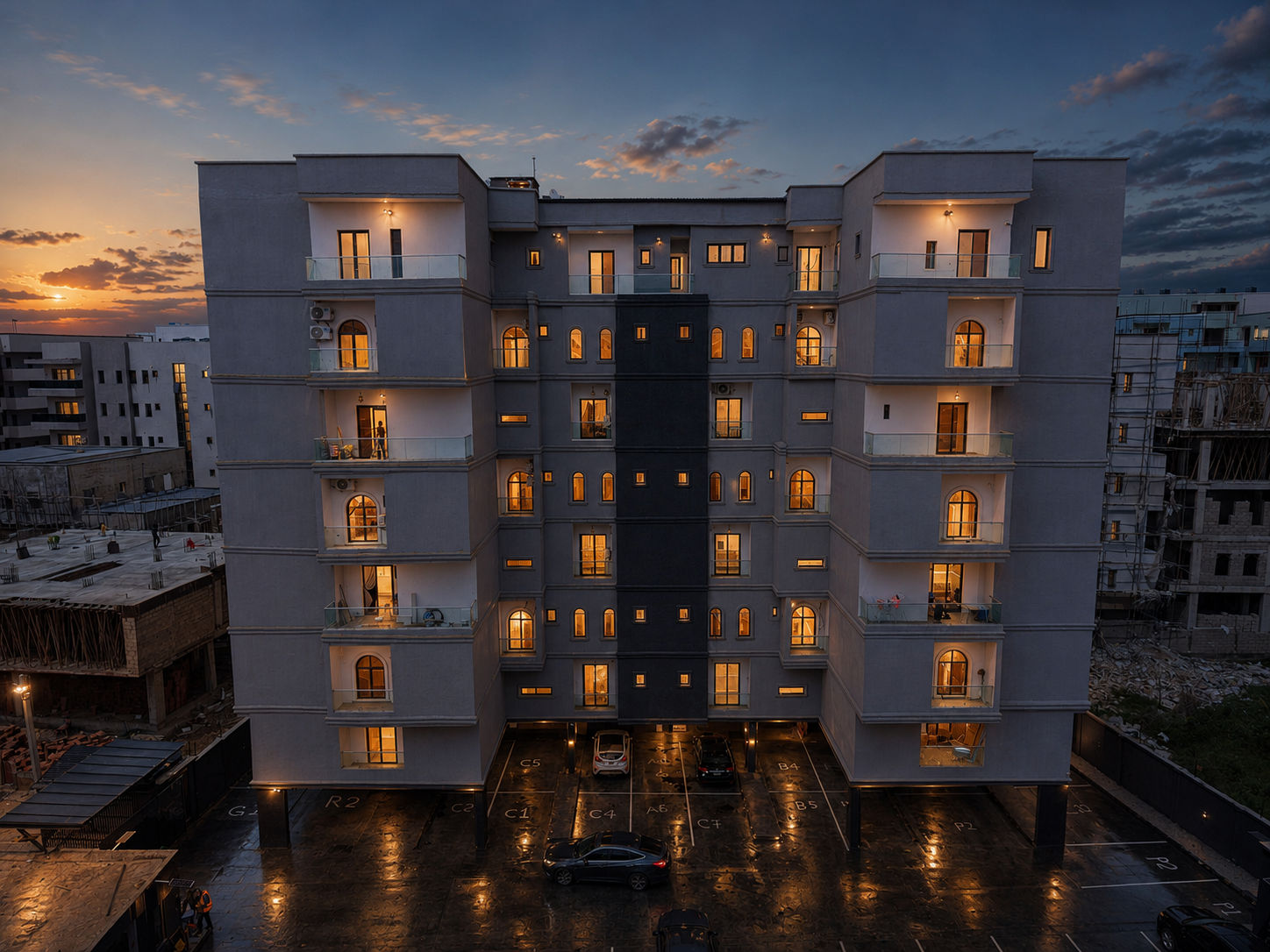
Ultra-prime waterfront living in Banana Island and Eko Atlantic now sits alongside highly serviced apartments where the value is not in the floor area but in everything around it: uninterrupted power, dependable water, professional facilities management, and security that residents never have to think about. Buyers are placing weight on livability and day-to-day function over pure aesthetics. A beautiful unit that forces its owner to run a generator constantly or chase down maintenance is no longer considered luxury. It is considered unfinished.
This is the most important signal in the market. Luxury has quietly become operational. The buildings that hold their prestige are the ones that are well run, not just well built.
Where the Demand Is Concentrated
Geography still matters enormously, but for increasingly specific reasons.
Old Ikoyi, along the Bourdillon, Glover, and Kingsway axis, holds its premium through embassy proximity, mature infrastructure, and a depth of prestige that newer districts cannot manufacture overnight. Banana Island trades on extreme land scarcity, waterfront exclusivity, and round-the-clock security on a single controlled island. Prime Victoria Island offers something different again: walkable access to corporate headquarters and the commercial core, which keeps corporate tenant demand steady.
Eko Atlantic has emerged as the city's clearest statement of where high-end Lagos is heading, with new-build specifications and rental levels at the very top of the market. Lekki Phase 1 continues to capture buyers who want Island access and lifestyle without an Ikoyi price tag.
The pattern underneath all of this is consistent. Capital concentrates where land is constrained, infrastructure is reliable, and the developer's reputation is established. Everything else competes on promise.
The Supply Question
Healthy markets mature, and Lagos is maturing. A substantial pipeline of ultra-luxury units is currently under construction, with many more expected over the next several years. As that supply reaches completion, the very top of the market will become more selective. Transaction volumes in trophy zones are already thin, because the buyer pool at that level is small by definition.
For buyers, this is good news rather than bad. A more selective market rewards diligence. It pushes developers toward superior finishes, durable construction, and credible after-sales management, because buyers now have the leverage to demand them. Empty units in prime developments are often a sign of a maturing market finding its true price, not a sign of weak demand.
The developments that will struggle are the ones competing only on prestige, with no operational substance behind the marketing. The ones that will thrive are the ones built to be lived in for decades, not just sold once.
The Diaspora and the Currency Question
Naira volatility has done something unusual. It has made Lagos prime property more attractive to a specific kind of buyer, not less. For diaspora investors earning and holding in stronger currencies, periods of currency weakness often present a relative discount on dollar-denominated value, even as naira prices climb. Real estate, in this context, becomes a tangible way to anchor wealth in Nigeria while currencies move.
Local demand still anchors the market, and that is the healthy foundation. But the diaspora buyer has become a meaningful and discerning force, particularly at the premium end, and increasingly in serviced and short-let formats where professional management is the entire proposition.
Why Delivery Discipline Wins
This is the thread that runs through everything above. The Lagos luxury market is rewarding operational resilience over spectacle.
Developers that combine disciplined delivery with strong post-handover management are the ones winning long-term confidence. Buyers are scrutinising titles, construction quality, service charges, and the credibility of whoever will manage the asset once the keys change hands. A development is no longer judged at the show home. It is judged two years in, when the lifts still work, the power has never blinked, and the building feels exactly as premium as it did on day one.
That standard is demanding. It is also the right one. And it is the standard a serious developer should want to be measured against.
Investment Outlook
Long-term performance in Lagos luxury real estate will come from developments that balance prestige with operational resilience. Trophy locations will continue to offer scarcity and status. But the durable returns, the ones that survive a maturing market, will belong to assets that are well located, well built, and genuinely well run.
For investors, the strategy follows from the market. Prioritise fundamentals over momentum. Weigh title and developer credibility as heavily as location. And treat ongoing management not as an afterthought, but as a core part of what you are actually buying.
The future of luxury in Lagos is not louder. It is more considered. And that is a future worth building toward.
"The Lagos luxury market is moving beyond pure square footage toward service, experience, and lifestyle value. The next decade belongs to developers who treat handover as the beginning, not the end."